Make any Banff winter tour private, or let us build a custom half or full day. Not sure where to start? Our concierge plans it all, so you just show up warm and ready.
Yes. Winter is one of the best times to visit Banff. Lakes freeze over, waterfalls turn to ice, and trails are quieter than in summer. You can walk through frozen Johnston Canyon, skate on Lake Louise, snowshoe forest trails, and soak in the Banff Upper Hot Springs, all in the same trip.
What are the best things to do in Banff in winter?
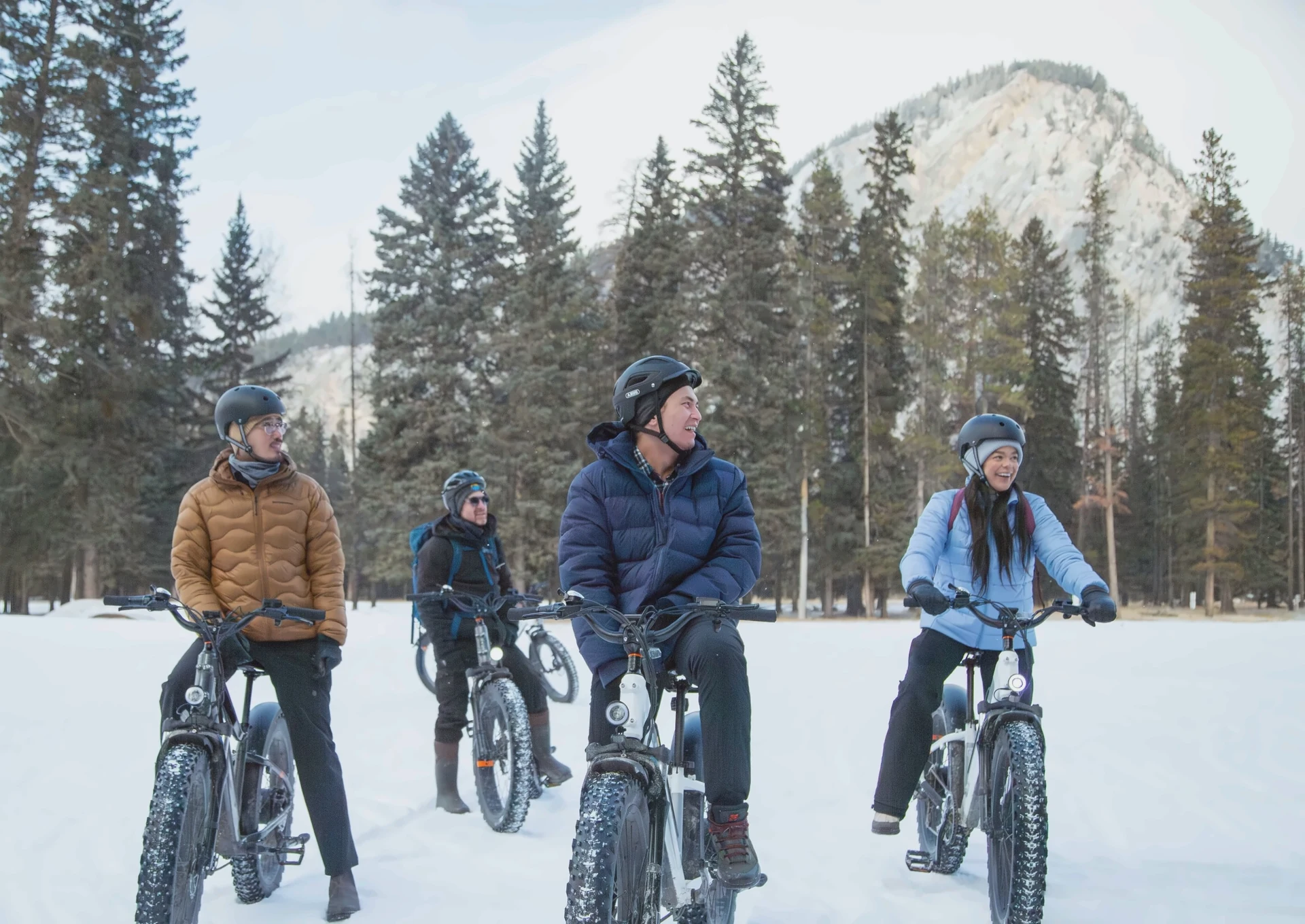
Top winter experiences in Banff include walking the frozen waterfalls of Johnston Canyon, visiting frozen Lake Louise, snowshoeing, fat biking on snowy trails, riding the Banff Gondola, soaking in the Banff Upper Hot Springs, and spotting elk and bighorn sheep along the Bow Valley Parkway. A guided winter tour lets you combine several of these in one day without driving icy roads yourself.
Is skiing the only thing to do in Banff in winter?
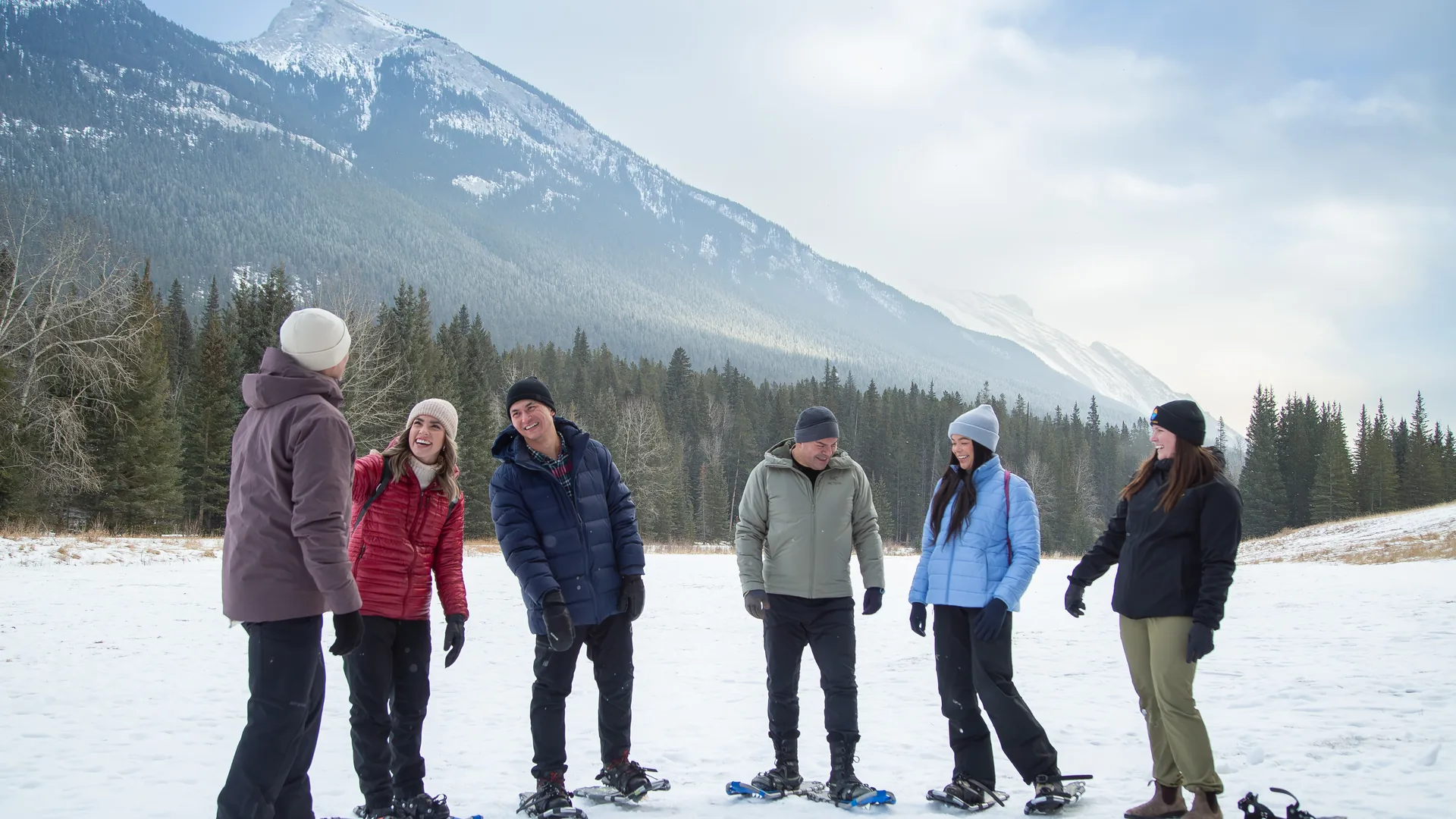
No. Skiing is popular, but many visitors come for non-ski experiences like ice walks, snowshoeing, fat biking, frozen lakes, hot springs, and wildlife viewing. Our winter tours are built for people who want to experience the Rockies in winter without needing to ski.
Can you visit Lake Louise and Moraine Lake in winter?
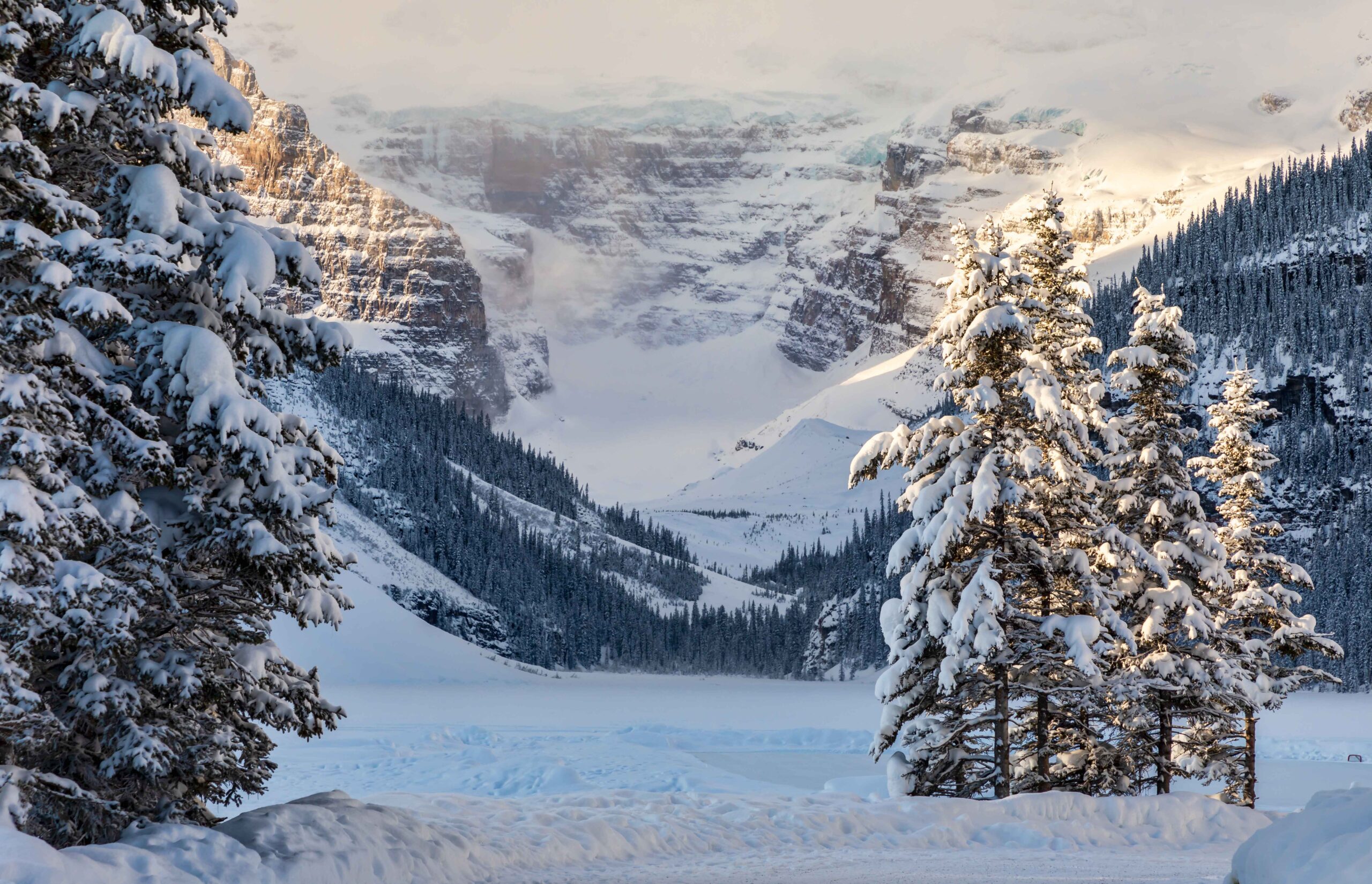
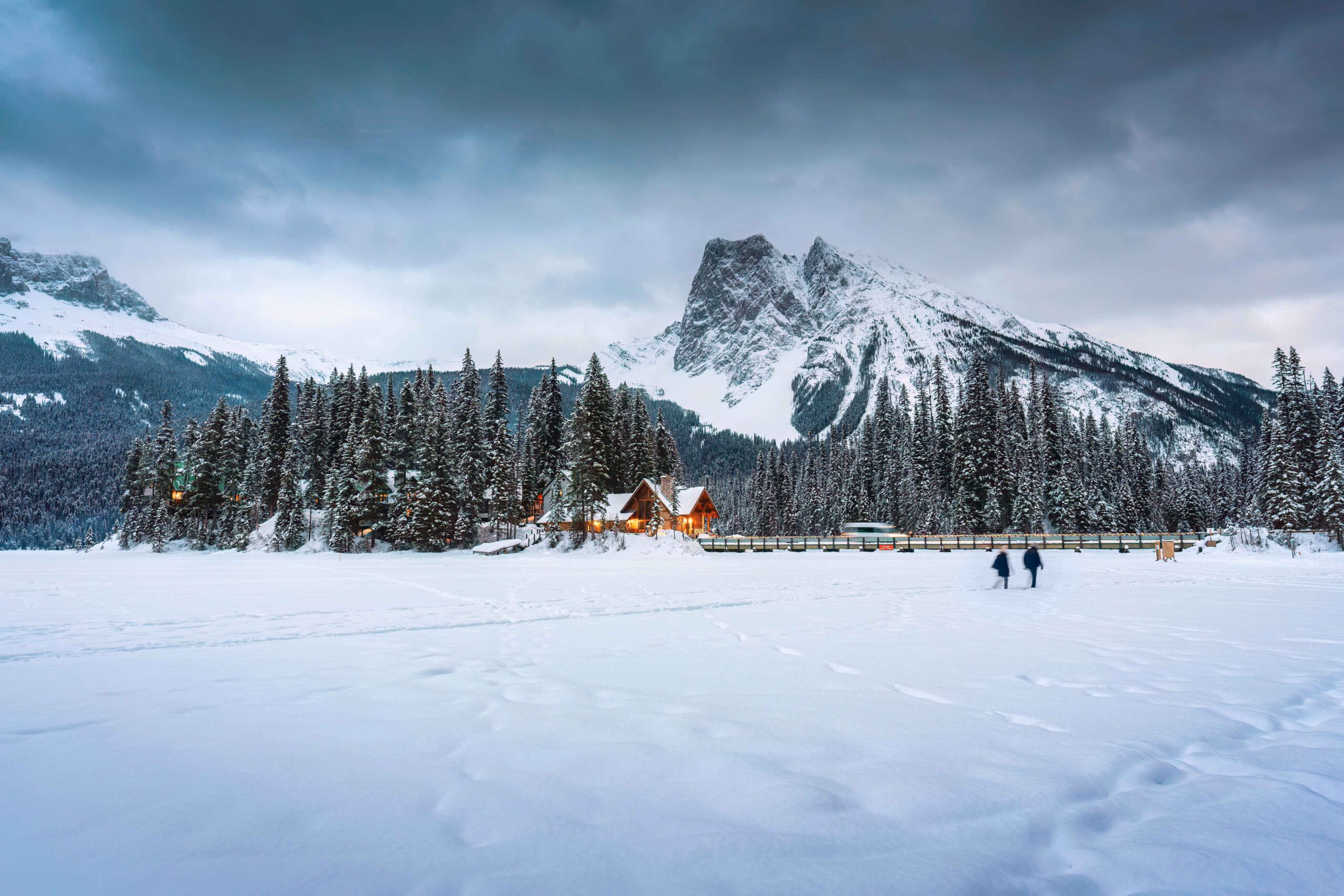
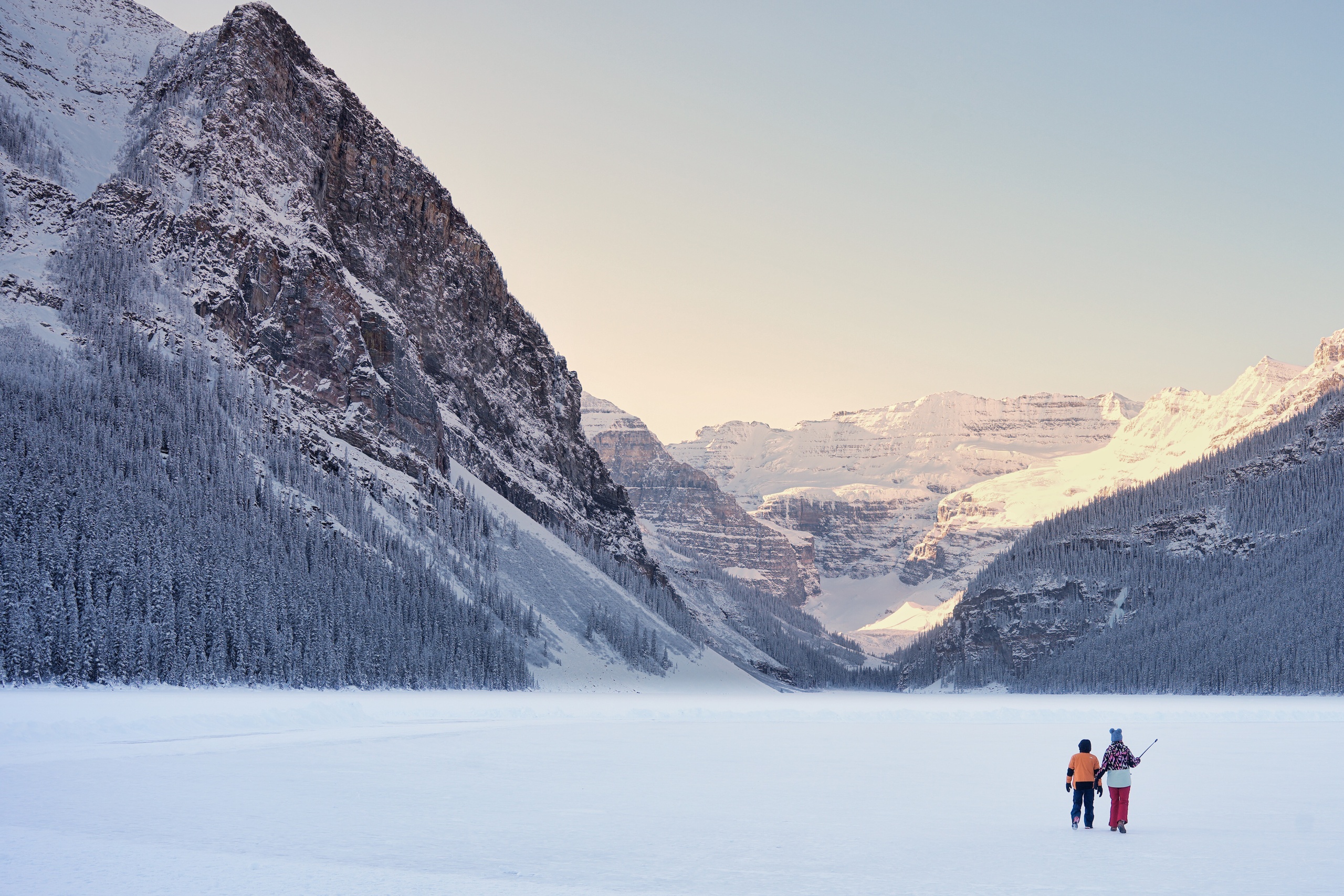
Lake Louise is open year-round and is one of Banff’s top winter sights, with a frozen lake, ice trail, and views of Victoria Glacier. Moraine Lake is a different story: the road closes to vehicles for the winter season, typically from mid-October until spring, so it isn’t part of winter tours.
What is the best month to visit Banff in winter?
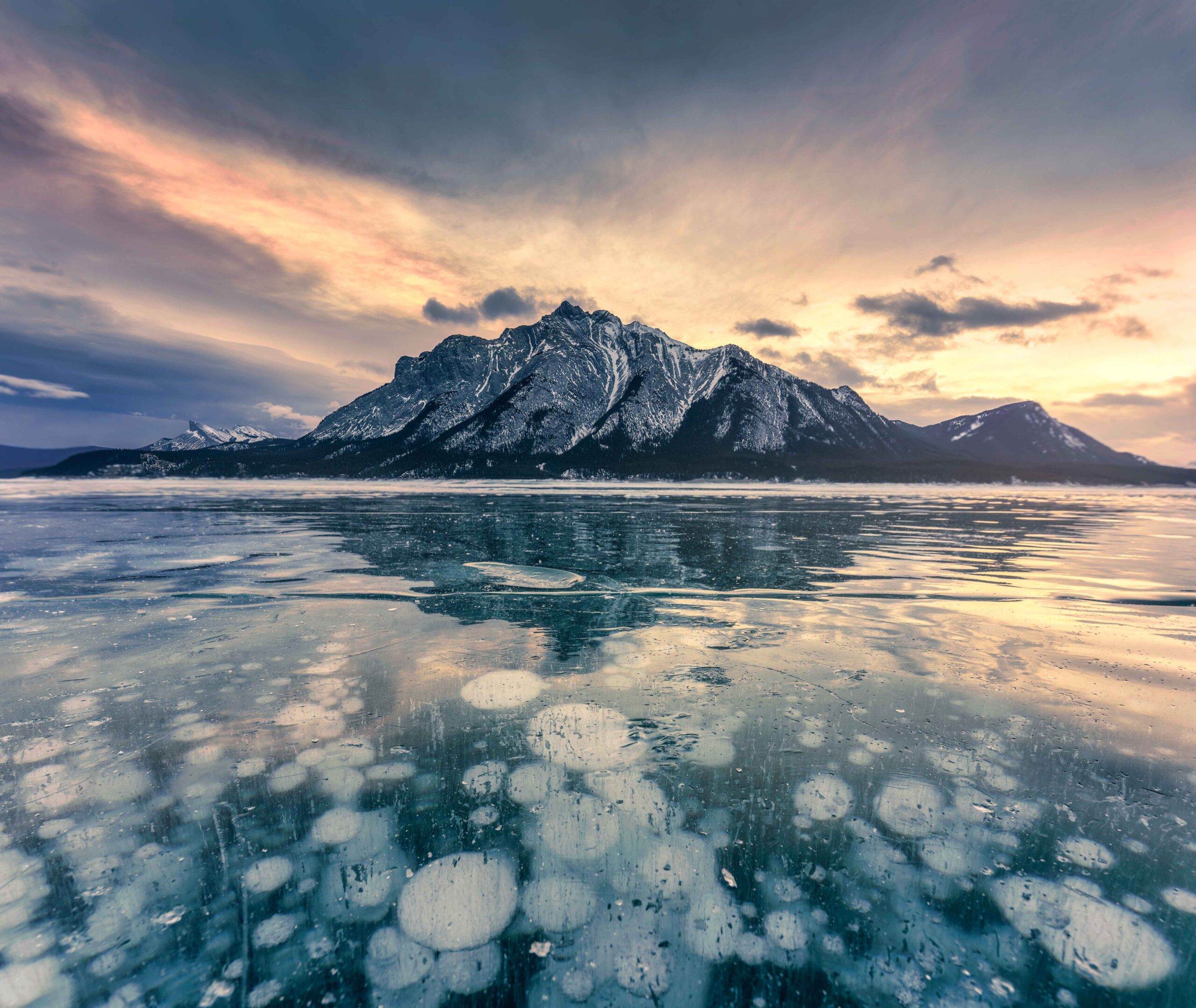
January and February offer the most reliable snow and ice, including frozen lakes and the ice bubbles at Abraham Lake. December brings a festive feel in town, while March offers longer days and milder temperatures with plenty of snow still on the ground.
How cold is Banff in winter?
From December to February, daytime highs in Banff usually sit between about -5°C and -10°C, and cold snaps can push temperatures below -25°C. Dressing in layers makes a big difference, and our tours include hot drinks and warm-up breaks along the way.
What should I wear on a winter tour in Banff?
Wear warm layers: a base layer, a fleece or insulated mid-layer, and a windproof winter jacket. Add insulated waterproof boots, a hat, gloves or mittens, and warm socks. Gear like ice cleats or snowshoes is provided on tours where you need it.
Is Johnston Canyon open in winter?
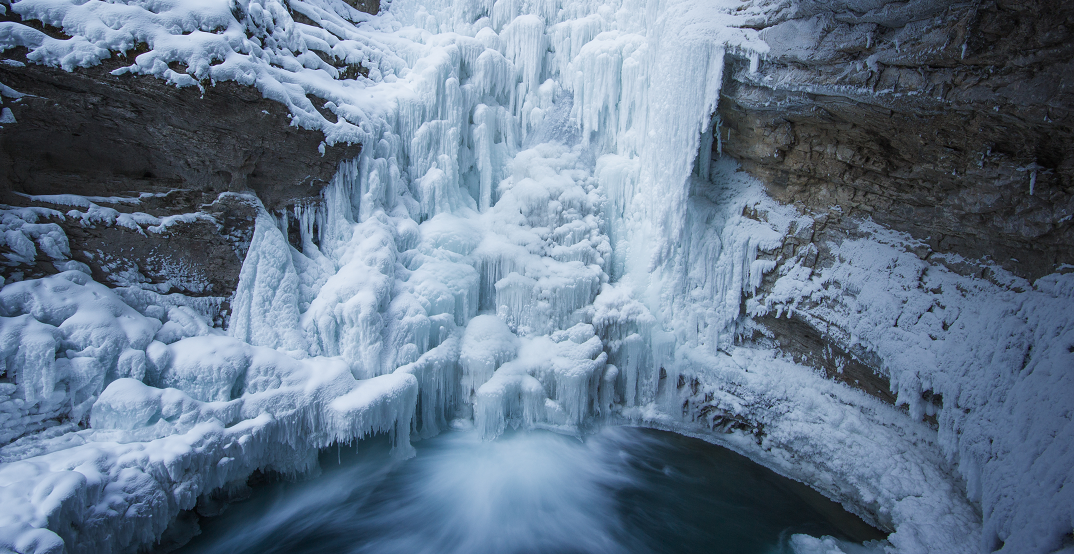
Yes. Johnston Canyon is open year-round, and winter is one of the best times to see it. The catwalks lead to frozen waterfalls, and you can often watch ice climbers on the Upper Falls. The trail gets icy, so traction like ice cleats or crampons is strongly recommended.
Can you see wildlife in Banff in winter?
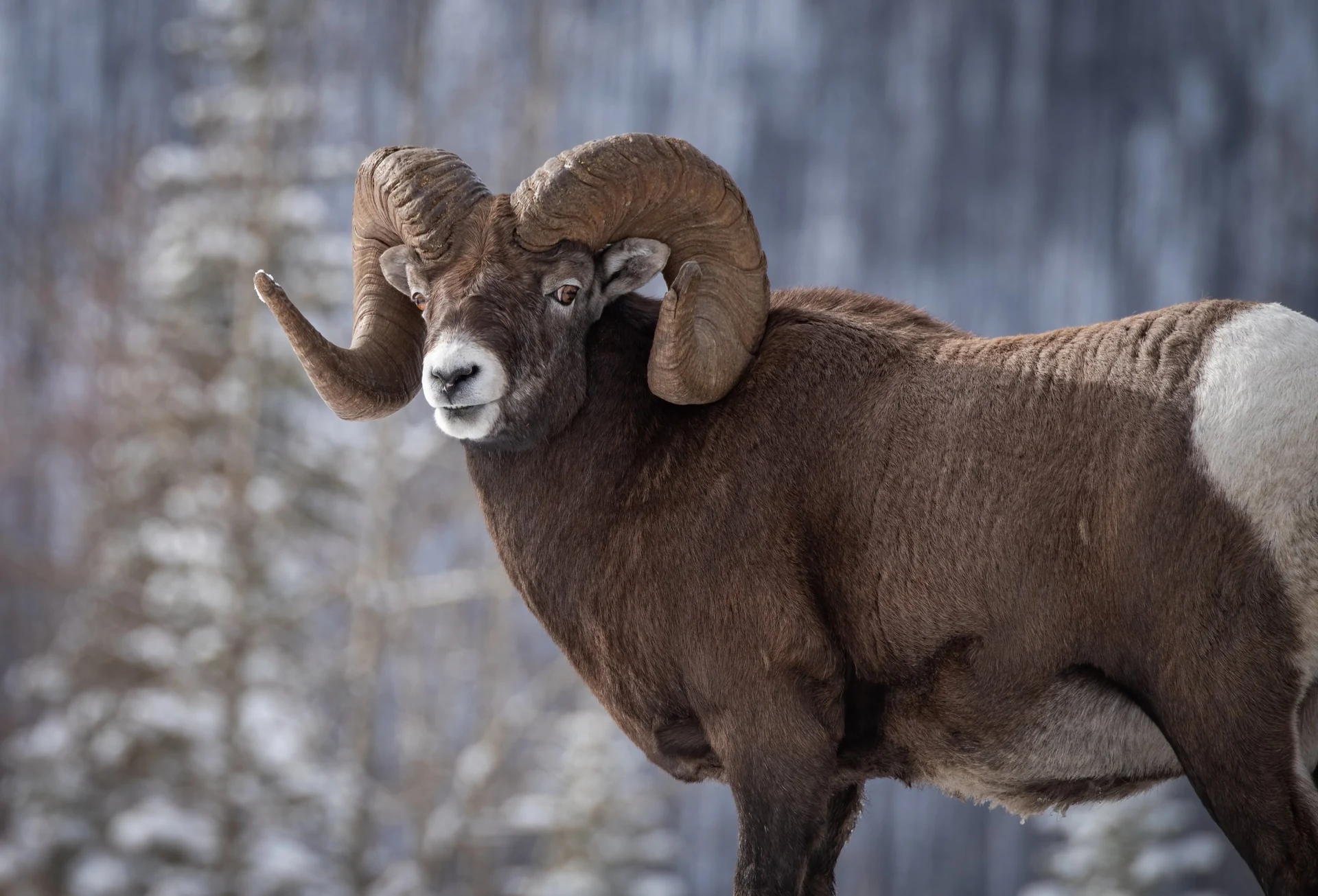
Yes. Elk, bighorn sheep, and deer are commonly spotted in winter, especially along the Bow Valley Parkway and around the edges of town. Bears hibernate through the winter months, so sightings are rare until spring.
Is it safe to drive in Banff in winter?
Roads in Banff are maintained, but winter driving can be challenging with snow, ice, and short daylight hours. Winter tires are required on routes like the Icefields Parkway in winter. Many visitors choose a guided tour so they can enjoy the scenery without worrying about road conditions.
Where can you see frozen methane bubbles near Banff?
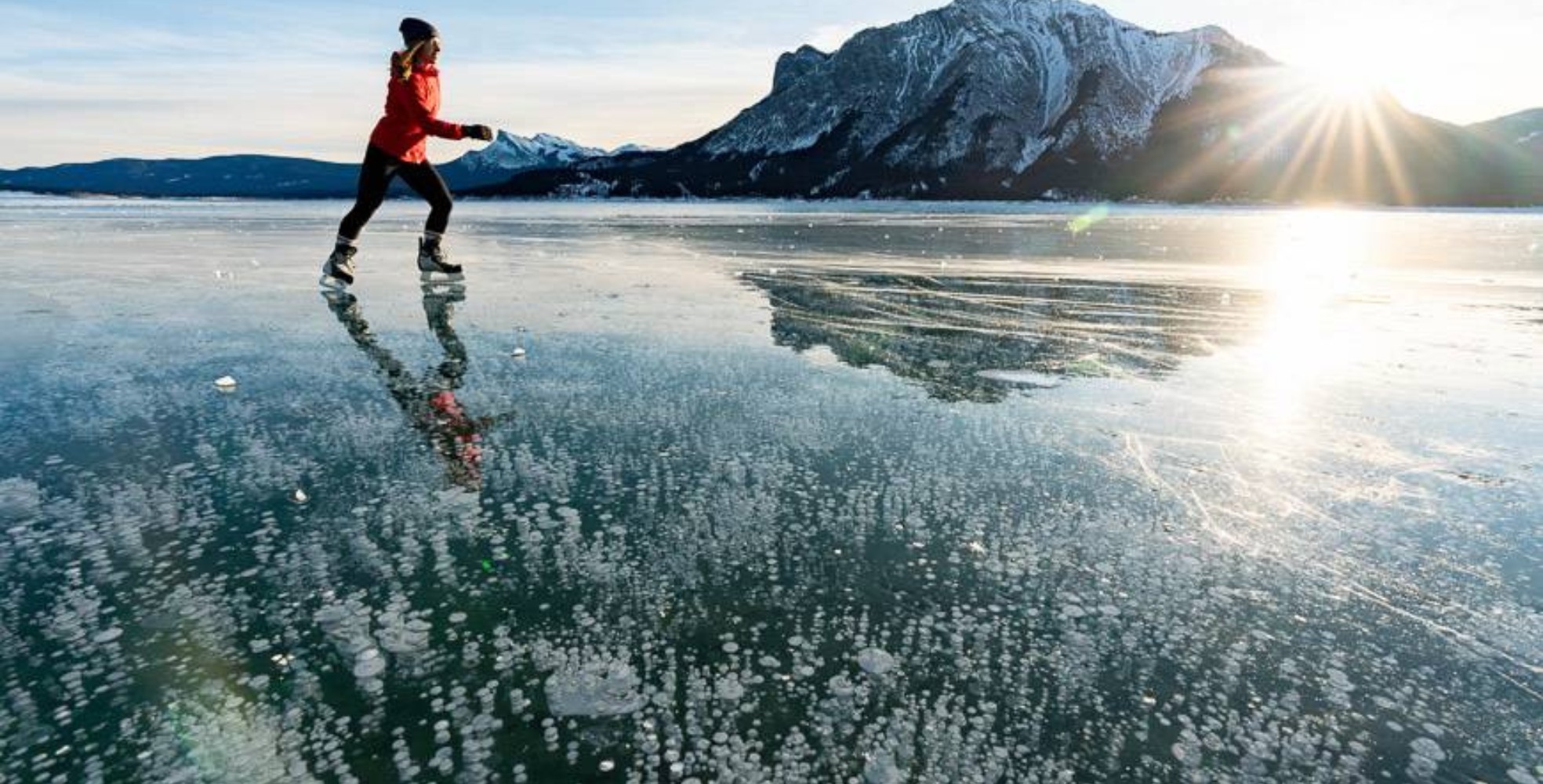
Abraham Lake, about a three-hour drive north of Banff, is the best place in Canada to see frozen methane bubbles. They’re visible once the lake freezes clear, usually from late December into February, depending on conditions.
Are Banff winter tours good for beginners and families?
Yes. Most winter tours, including snowshoeing and ice walks, need no experience. Guides set an easy pace and provide the gear you need. Check each tour for minimum age requirements.
Can I book a private winter tour in Banff?
Yes. Every Banff winter tour can be made private for your group. Our concierge handles the details, so you can plan the day around your group’s pace and interests.