Smoke Update August 2026 | Banff National Park | Canadian Rockies |
Let’s Talk About the Smoke
We’re going to be very honest, because the alternative doesn’t help anyone.
Every day, we hear the same questions: is it smoky in Banff? Should we still come? Is this a bad year? Is it safe right now?
So here’s the honest answer from people who live here and are out on the trail every day of the season.
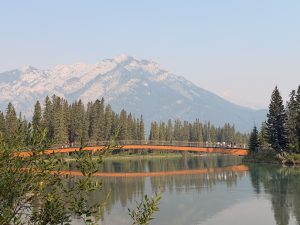
The reality of smoke in Banff National Park
Wildfire is not an “if” in Canada anymore. It’s a “when.” The same is true in the US Rockies, in the Pacific Northwest, in Australia, in Greece, Spain, Portugal and southern France. Fire season is a fixed reality of summer across most of the northern hemisphere now, and it’s been that way here for the better part of a decade.
Which means there is no clever way to time around it. There’s no magic window. There’s no “next year will be better,” because next year is a coin flip and so is the year after that. You can wait five years for a guaranteed clear July and spend those five years not going anywhere.
Cancelling a Rockies trip because there might be smoke is like cancelling a week in Scotland because you heard it might rain. You pack for it and you go anyway, because the alternative is never seeing Scotland.
How ‘bad’ is the smoke in Banff right now?
Here’s the part the forecast doesn’t tell you: smoke changes constantly.
We’ve had mornings that started thick and flat and turned into some of the clearest afternoons of the season, because the wind swung around at lunchtime and took the haze with it. We’ve had a full week of blue sky bracketed by two smoky days on either side. Smoke sits in valleys and lifts off ridges. It thins at elevation. It burns off. It comes back.
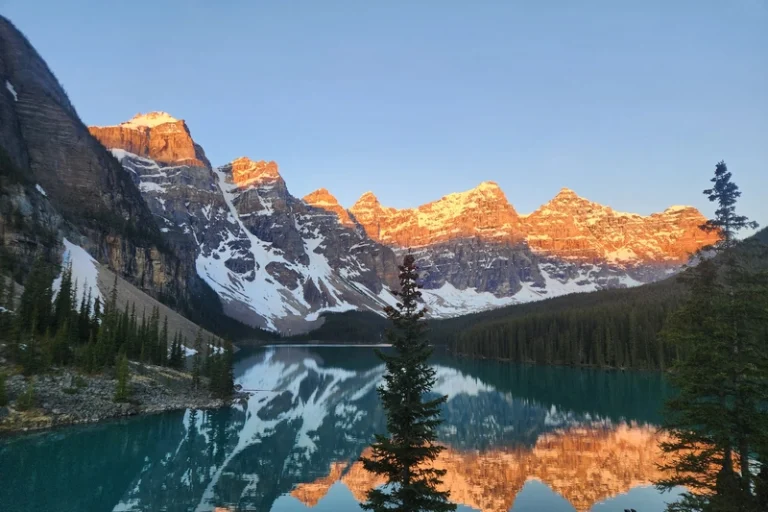
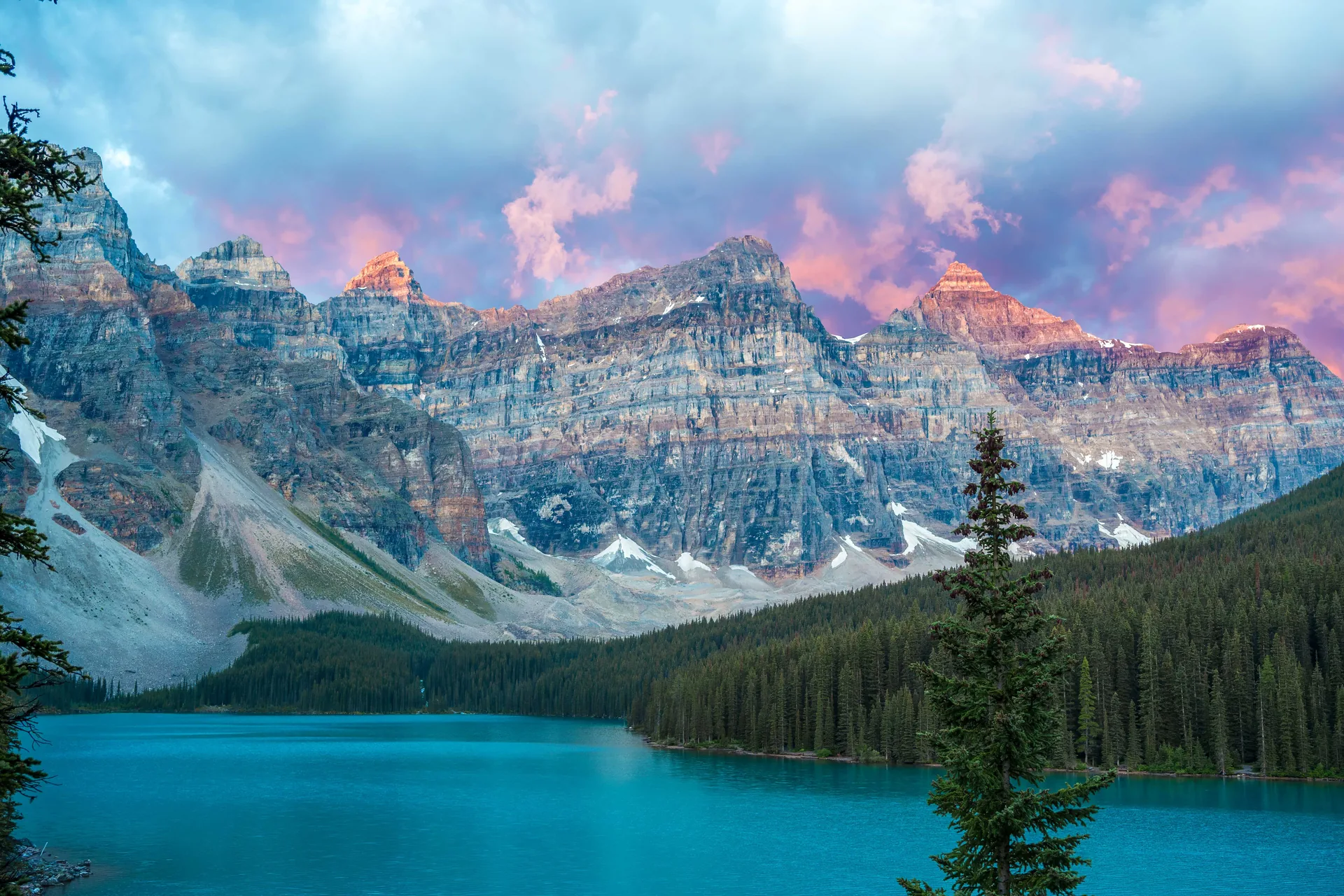
And some of it, honestly, is spectacular. A thin orange haze does something to light that a clear sky can’t. The sun goes deep red. Peaks separate into layers instead of one flat wall of rock. Some of the best photographs our guests have ever taken here were taken on a hazy morning when the first light illuminated the peaks in stunning shades of red and orange.
We’re not going to tell you smoke is a gift. Some days it’s just smoke and it’s honestly a bit rubbish, so you get on with your day. But the idea that one smoky forecast means a ruined week is not what we see out there. What we see is that every day brings something different, and you don’t know which day is which until you’re standing in it.
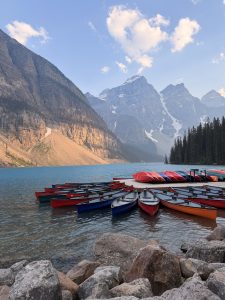
Don’t take our word for it. Take a look.
Banff & Lake Louise Tourism share thirteen live webcams pointed at the town, the lakes and the ski hills. They’re free, they’re public, and they update in real time.
Open them tomorrow morning. Open them again at four in the afternoon. Check back the next day and the day after that. You’ll see for yourself what we’ve been describing: how much a valley can change between breakfast and dinner, how a ridge that vanished at noon is sharp again by evening, and how often “smoky” turns out to mean “smoky for a bit.”
Smoke and danger are two different conversations
This part matters, so we want to be clear about it.
There’s a real difference between accepting some haze on your holiday and being genuinely in danger. Those are separate things and they get blurred together constantly in the news and in people’s minds.
Most of the smoke that reaches Banff isn’t actually from Banff. It’s from fires hundreds of kilometres away, and often in another country. It travels. It has nothing to do with whether there’s a fire near the trail you’re walking on. The smoke currently sitting in the Bow Valley has drifted in from fires in British Columbia and Washington State.
As of the day we’re publishing this: Parks Canada lists no active wildfires in Banff National Park.
The important notes: Fire danger is rated extreme, and a fire ban has been in place across Banff, Yoho and Kootenay national parks since July 30 2026. This means no campfires, charcoal barbecues or tiki torches are permitted.
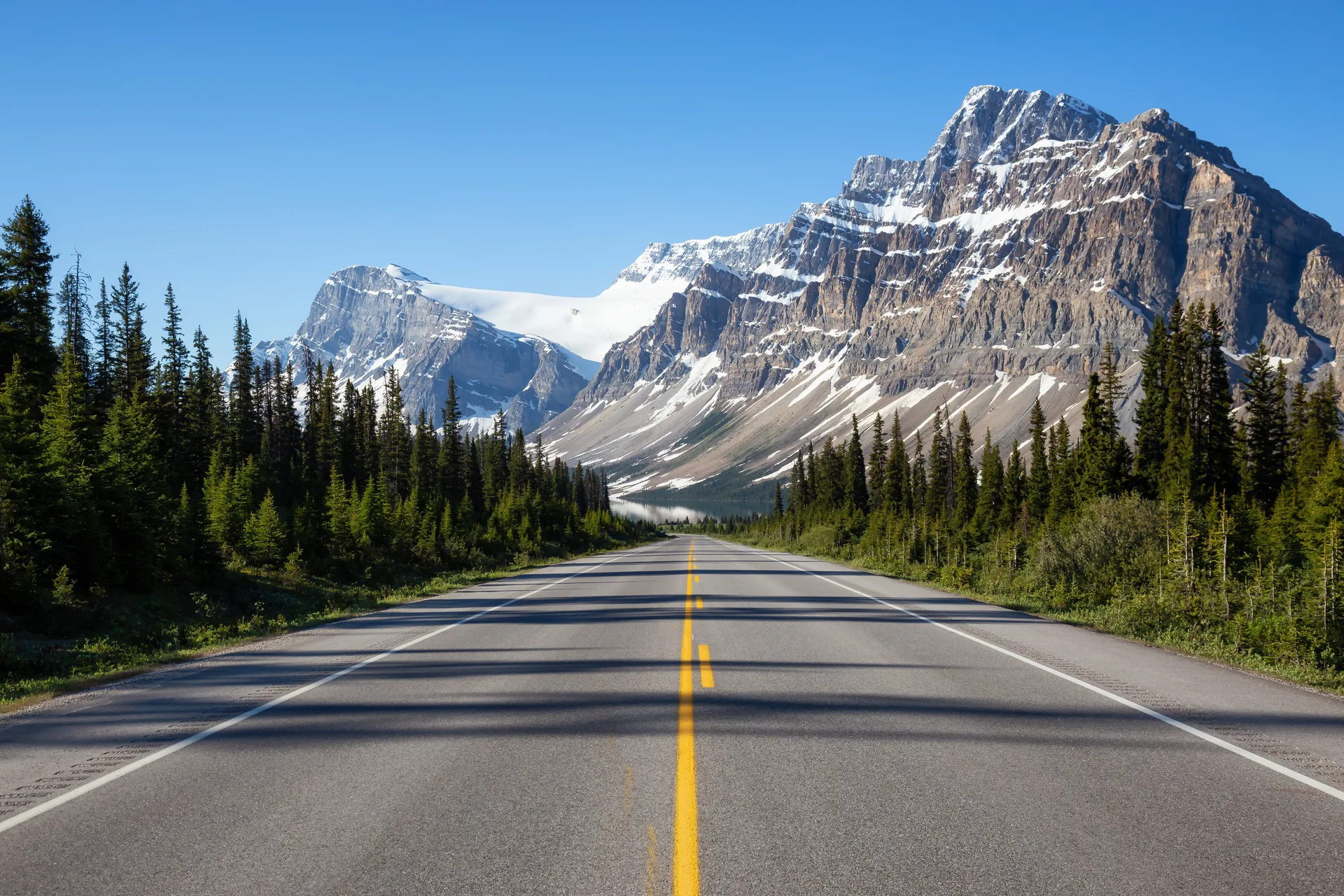
Extreme fire danger may sound alarming. What it actually means is that conditions are dry enough that a new fire would start easily and spread fast, so everyone here, residents and visitors alike, needs to be careful with anything that sparks. No cigarette butts out the car window. No charcoal barbecue during a fire ban. No fifty tealights arranged on dry grass for a surprise proposal at a viewpoint. You get the idea. It’s an instruction to visitors, not a warning to stay away. Trails are open. Roads are open. The town is open.
If that changes, we’ll tell you. We’re not in the business of putting guests somewhere they shouldn’t be.
Is Banff safe? The work nobody sees
Something worth knowing, because most visitors have no idea it’s happening.
Parks Canada has been actively building Banff’s defences for decades. Over the past ten years alone they’ve completed roughly 7,000 hectares of logging, thinning and prescribed burns in Banff National Park, and close to 15,000 hectares across fifteen years. There’s a 211-hectare fuel break being finished on Tunnel Mountain right on the edge of town. A 165-hectare community fireguard is going in above Lake Louise, running from the slopes behind the Chateau across to the ski hill. More work is planned in the Cascade Valley, at Bumpy Meadows, in the Healy-Brewster area and along the Fairholme benchlands, roughly 1,762 hectares of it within fifteen kilometres of the townsite. The Town of Banff put about $1.5 million into its own mitigation work in 2025.
Does it work? September 2025 is the answer. A fire started at Moose Meadows, just west of Banff town, visible from the Trans-Canada highway. It landed in an area that had been mechanically thinned in 2011 and prescribed-burned in 2016. Crews held it at roughly two hectares and had it out inside a couple of weeks. Parks Canada was fairly direct about why: the treatment gave them somewhere to fight from.
That’s what a defended landscape looks like.
When you genuinely should think twice
We want to be transparent, not persuasive, so here’s the honest caveat.
If you have asthma, COPD, a heart condition or another respiratory issue, wildfire smoke can be a real health consideration and not just an aesthetic one. Alberta uses the Air Quality Health Index, and on high-AQHI days the guidance is to limit strenuous outdoor activity. A well-fitted N95 helps. So does knowing your own limits and telling us about them before your trip.
Talk to us. We’ll tell you honestly what a given day is likely to look like, and if we think you’d be better off rescheduling, we’ll say so. That’s a different conversation from cancelling a trip six weeks out because of a possibility.
And one last thing, from us
Banff is a town of about 9,000 people that hosts more than four million visitors a year, and its economy runs almost entirely on tourism. Summer is the cornerstone of that. It’s the season that pays the wages, covers the rent, and keeps people employed through the quieter months.
When smoke hits and cancellations start rolling in, that lands on real people. The small operators, us included, who spend the winter getting ready for these twelve weeks are the most impacted.
We’re not asking anyone to come somewhere unsafe. We’d never do that. We’re asking you not to write off a trip because of a haze that might have shifted by the time you land.
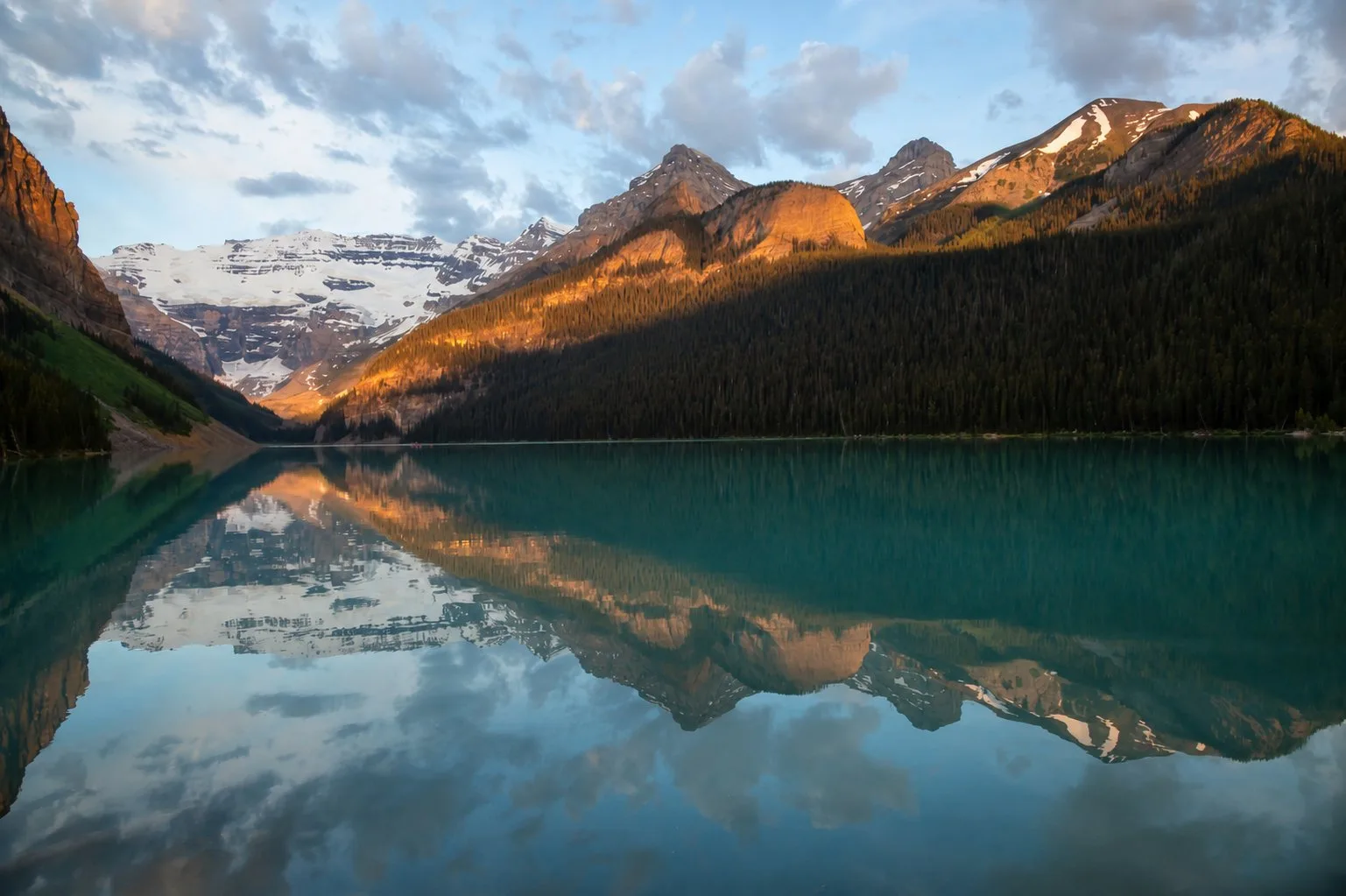
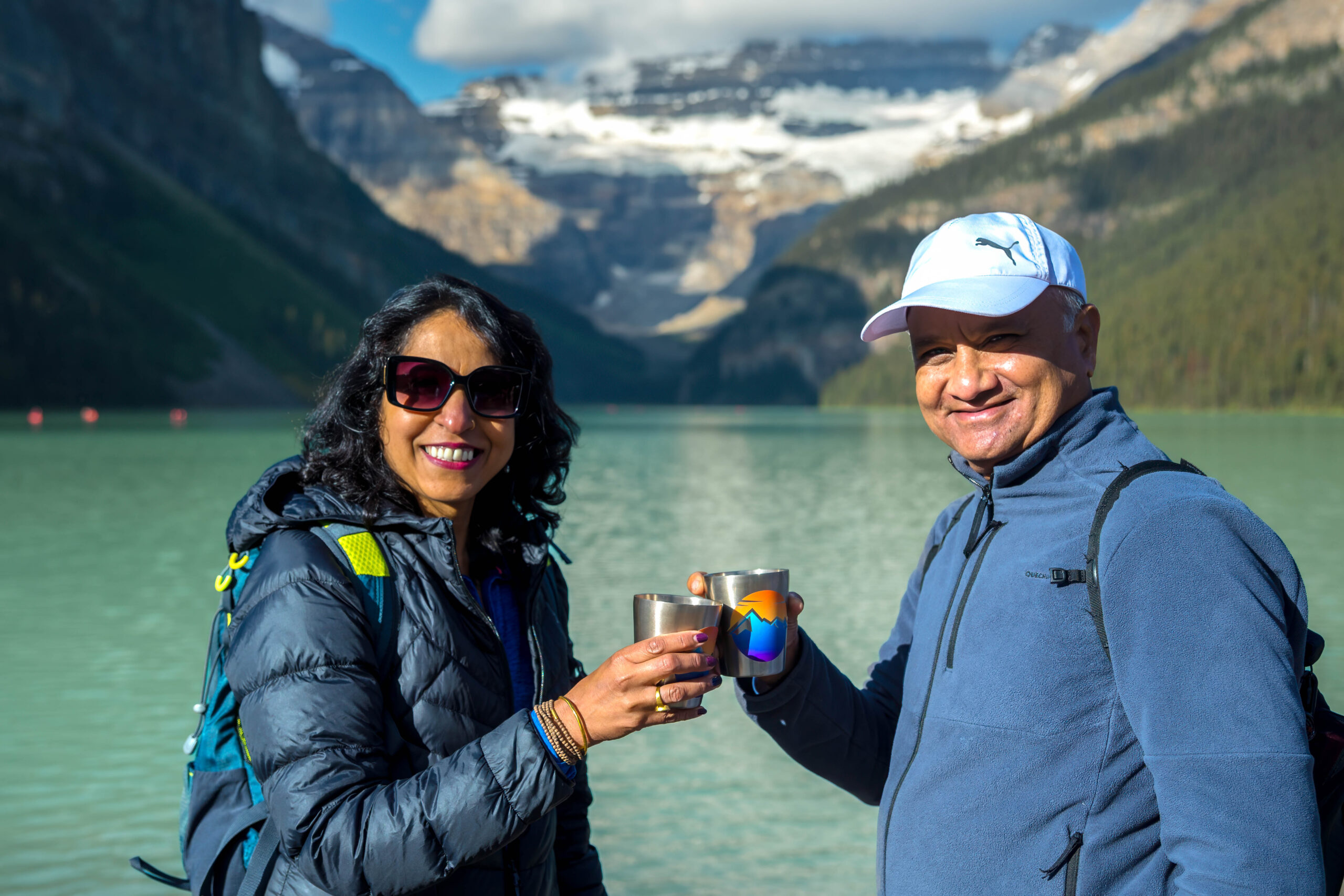
The mountains are still here. The trails are open. The lakes are the colour they’ve always been. Some days you’ll see all of it, and some days you’ll see it through a different lens, and one of those days will probably end with a sunset you’ll be talking about for years.
Check conditions before you travel:
- Banff & Lake Louise live webcams, thirteen of them, updating in real time
- Parks Canada, Banff National Park current wildfire status and fire danger
- Environment Canada air quality alerts and AQHI for Banff and Lake Louise
- FireSmoke.ca live smoke forecast
- Alberta 511 for road conditions
Or just message us. We’re here, we’re looking out the window right now, and we’ll tell you exactly what we see.