Where can you actually swim in Banff?
Short answer: the three most swimmable spots (and our faves) within an hour of Banff are Johnson Lake, Two Jack Lake and Wedge Pond in Kananaskis Country. Most other lakes in Banff National Park are glacier-fed and sit in single-digit temperatures all summer, which makes them beautiful to look at and genuinely risky to jump into.
Summer temperatures are sizzling in the Rockies right now. Patios are bustling, the smell of warm pine follows you everywhere, and every lake in the park suddenly looks like an invitation.
The catch is that most of those lakes are fed by meltwater. So let’s talk about where you can actually swim.
Can you swim in Lake Louise or Moraine Lake?
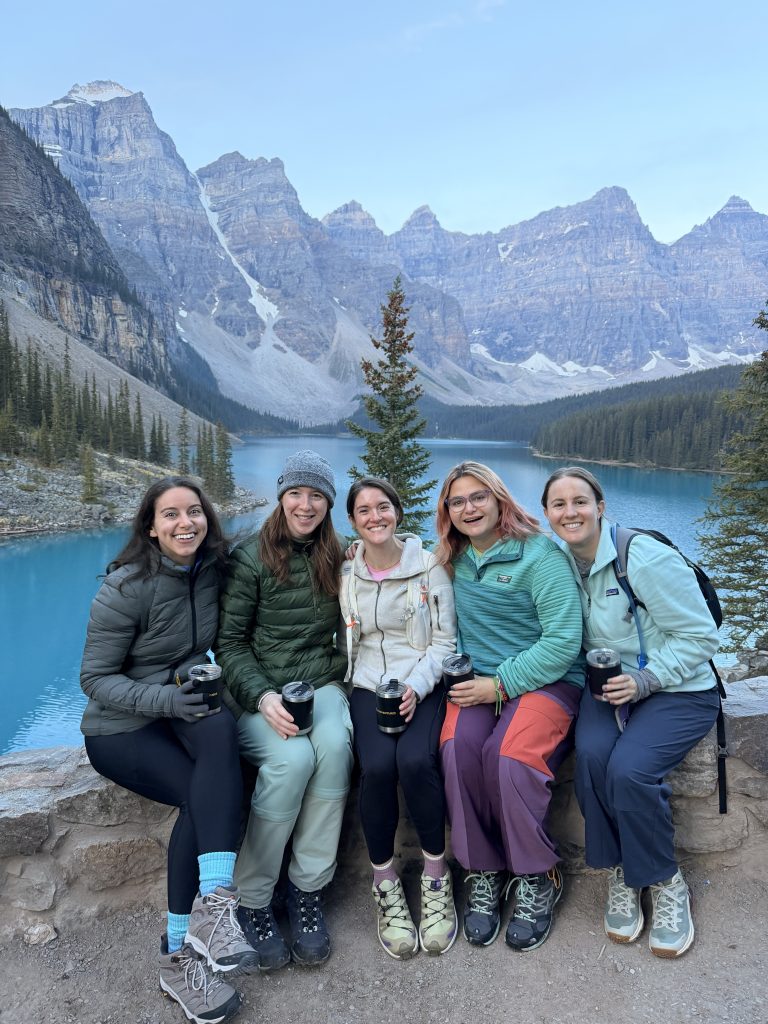
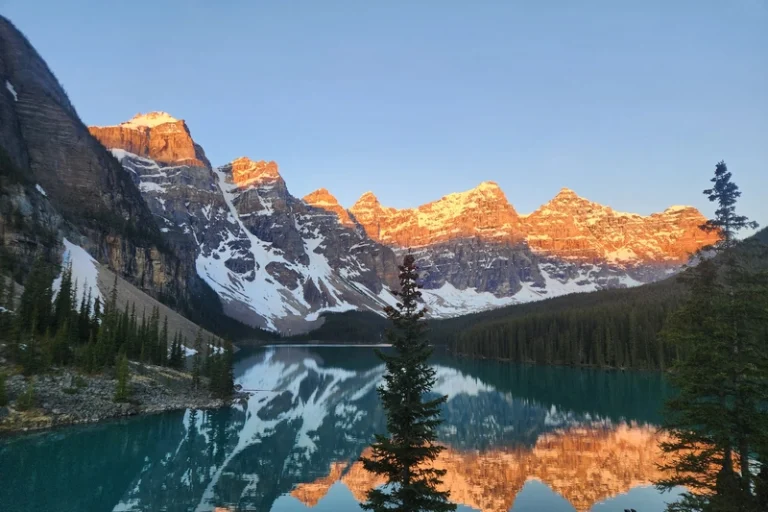
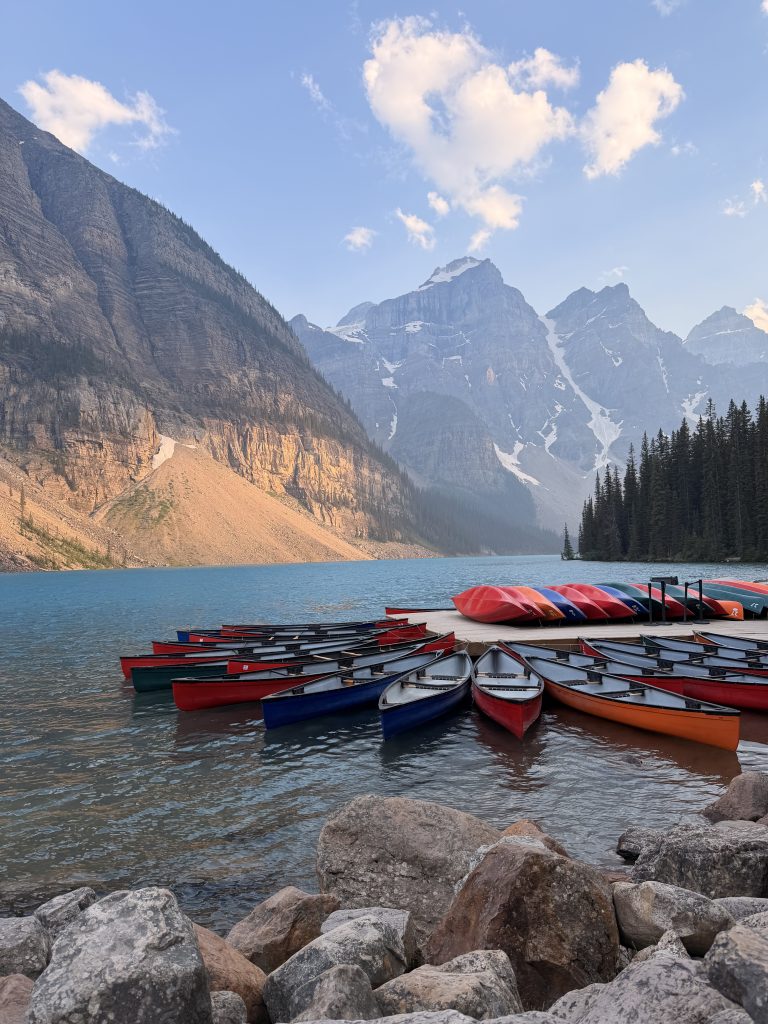
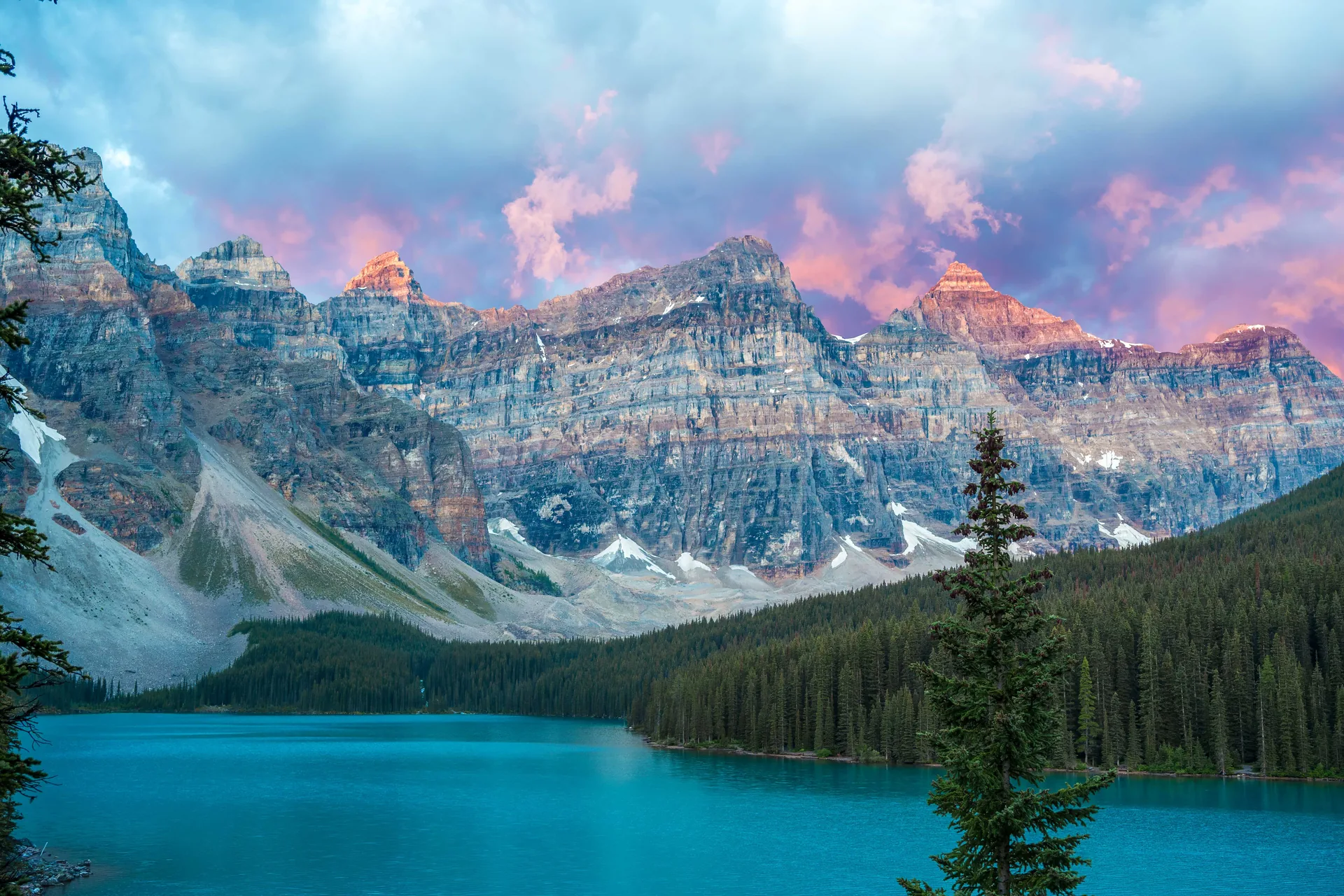
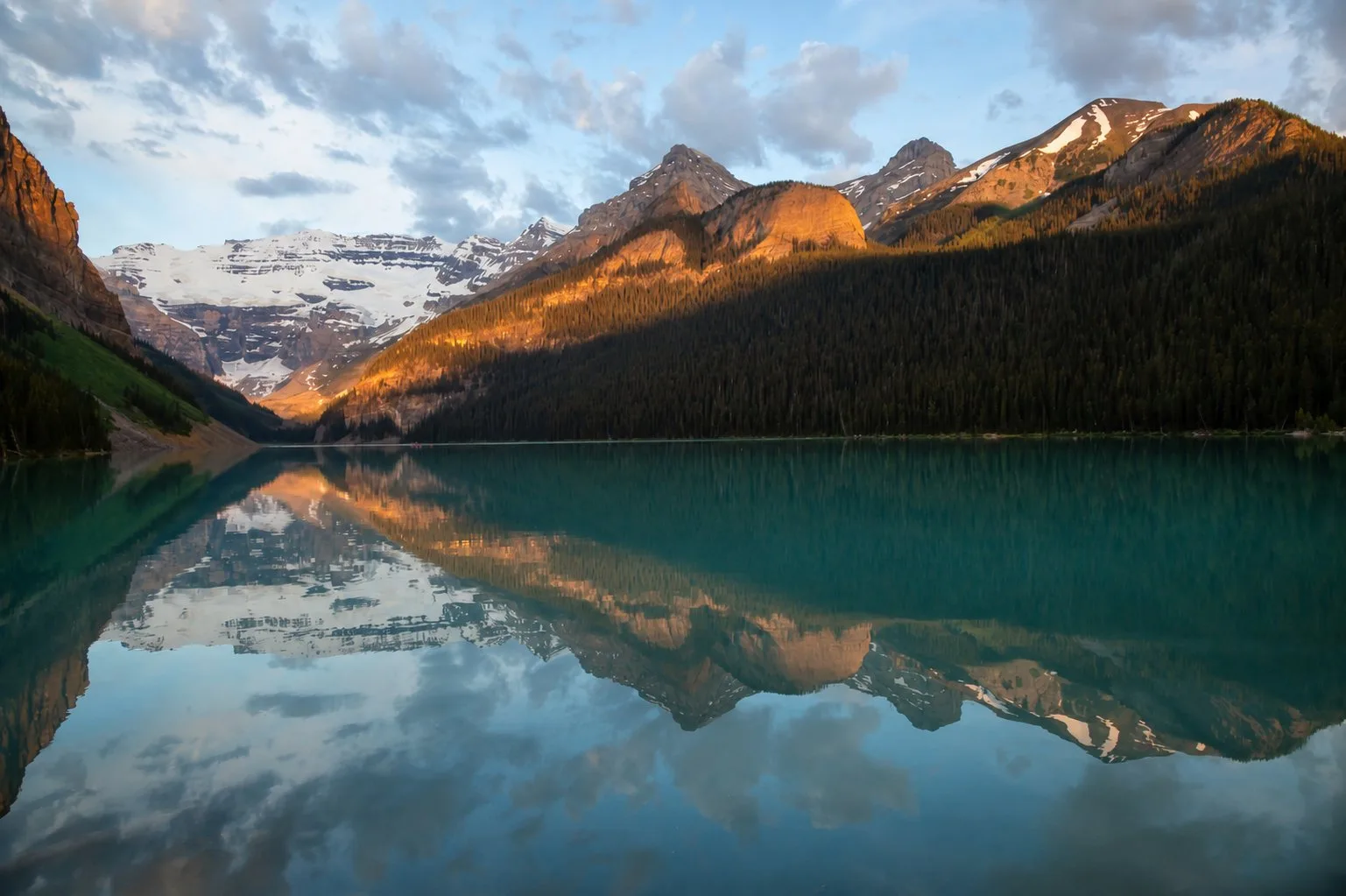
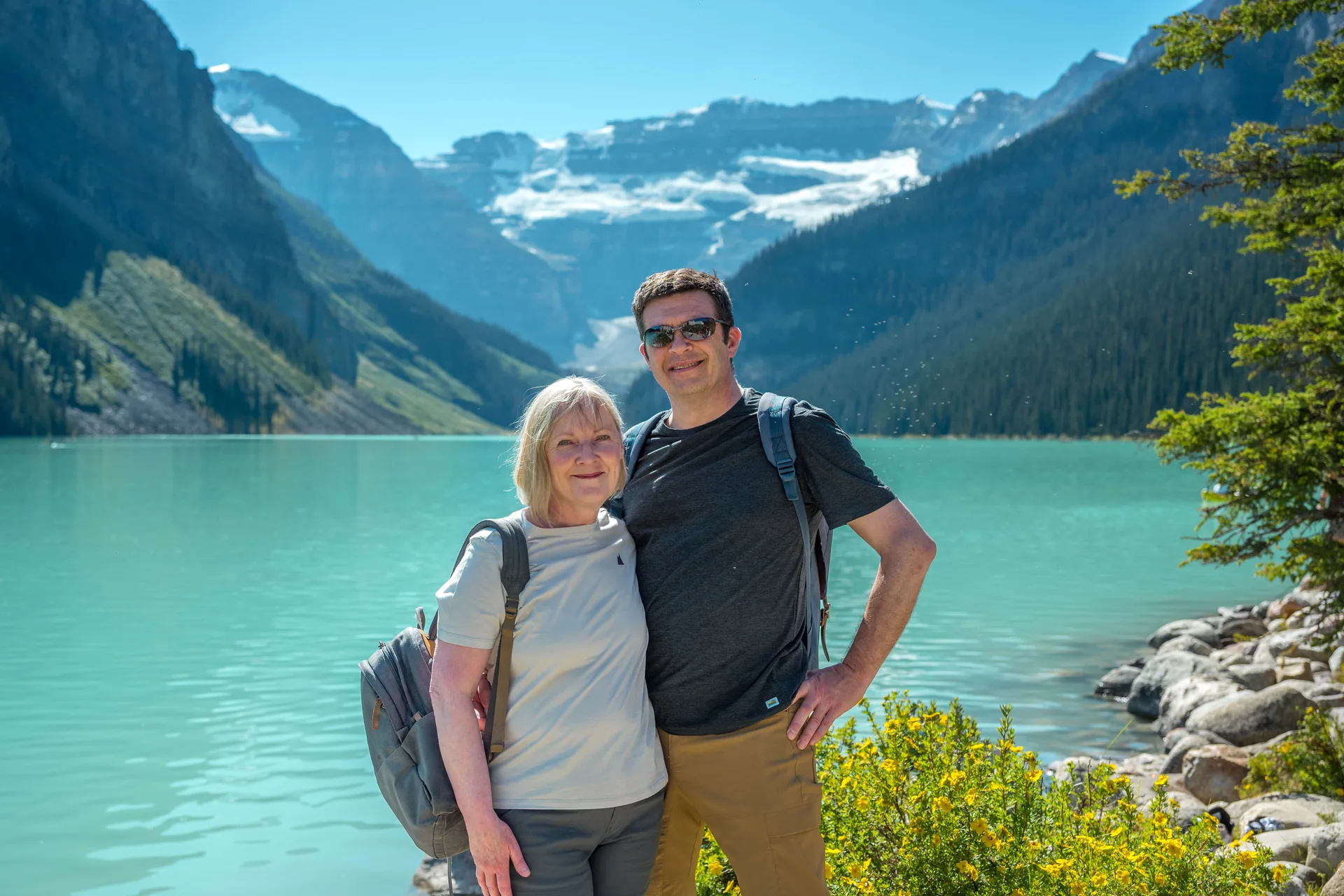
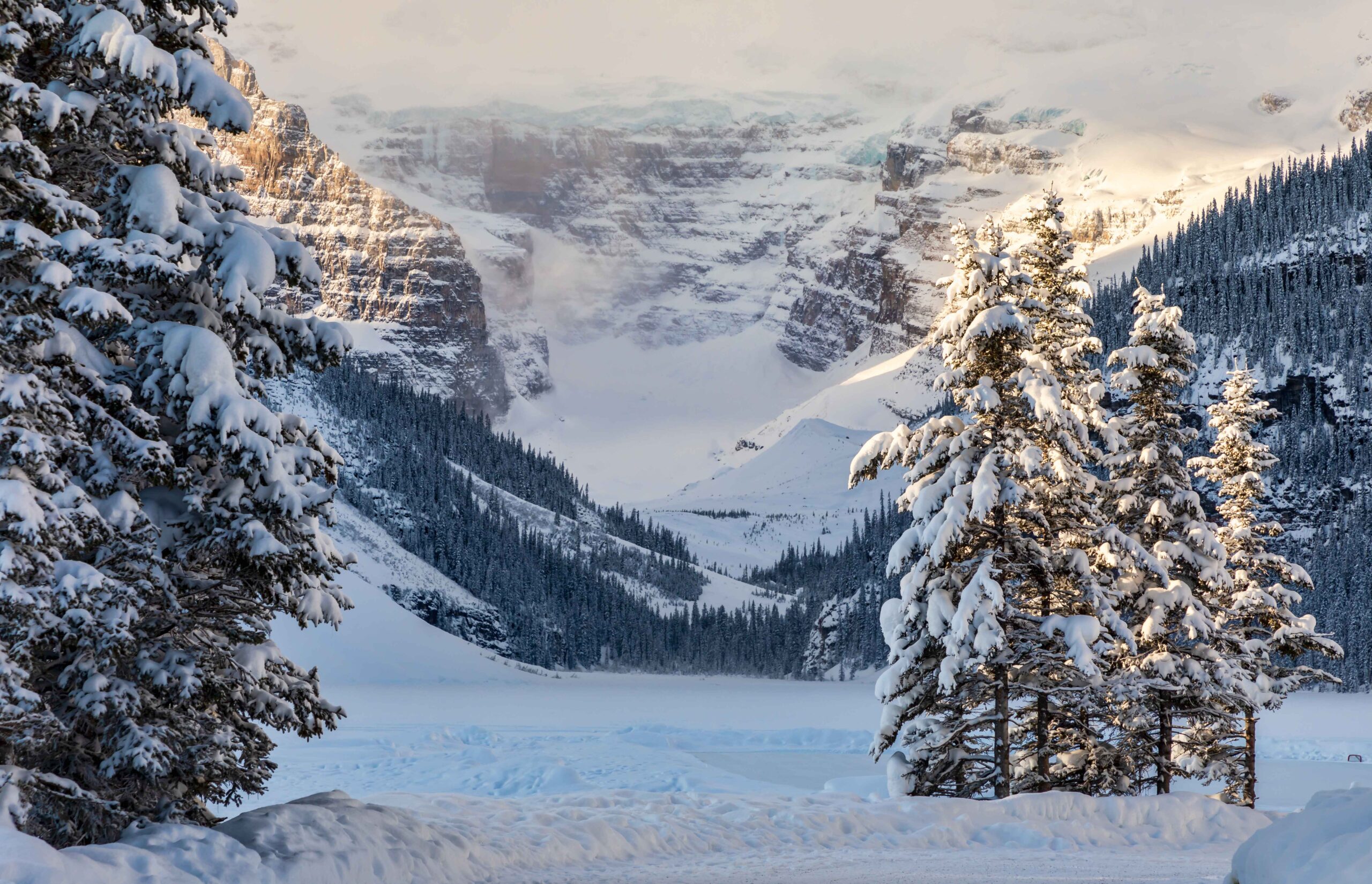
You can legally swim in Lake Louise, but almost nobody stays in for long. Both Lake Louise and Moraine Lake are glacier-fed and cold enough year-round that jumping in carries a real risk of cold water shock. Parks Canada is direct about this: the park’s glacier-fed lakes are photo lakes, not swimming lakes.
Water activity rules also changed for the 2026 season. Parks Canada now sorts Banff’s lakes and rivers into three zones to slow the spread of aquatic invasive species. Paddling, large inflatables and fishing in waders are banned at Moraine Lake, Bow Lake and Lake Minnewanka. Lake Louise stays open to water recreation.
If swimming is what you’re after, head lower and shallower.
What’s the warmest lake to swim in near Banff?
Johnson Lake is the warmest easily accessible swimming lake in Banff National Park. It’s shallow, it sits at a lower elevation just east of the Banff townsite, and by mid-July it’s genuinely warm rather than technically-survivable warm.
There’s a small beach, picnic tables and washrooms, which makes it one of the few spots you can turn into a proper afternoon rather than a quick dip and a sprint back to the car. The 2.8 km loop trail around the shoreline is flat, shaded in places, and easy with kids.
Local tip: parking is the whole game here. On a hot weekend afternoon the lot fills by late morning and cars back up along the access road. Come on a weekday, or come after 4pm when the day crowd starts thinning out.
Can you paddleboard on Two Jack Lake?
Yes. Two Jack Lake sits inside Banff National Park’s Water Recreation Zone, which means paddling is still permitted with a valid aquatic invasive species self-certification permit and equipment that meets Parks Canada’s clean, drain, dry requirements.
The water is calm most mornings and you get the full Mount Rundle skyline reflected back at you. Swimming is allowed too, though it’s noticeably colder than Johnson Lake. Manageable for a quick dip, not somewhere you’ll float around for an hour.
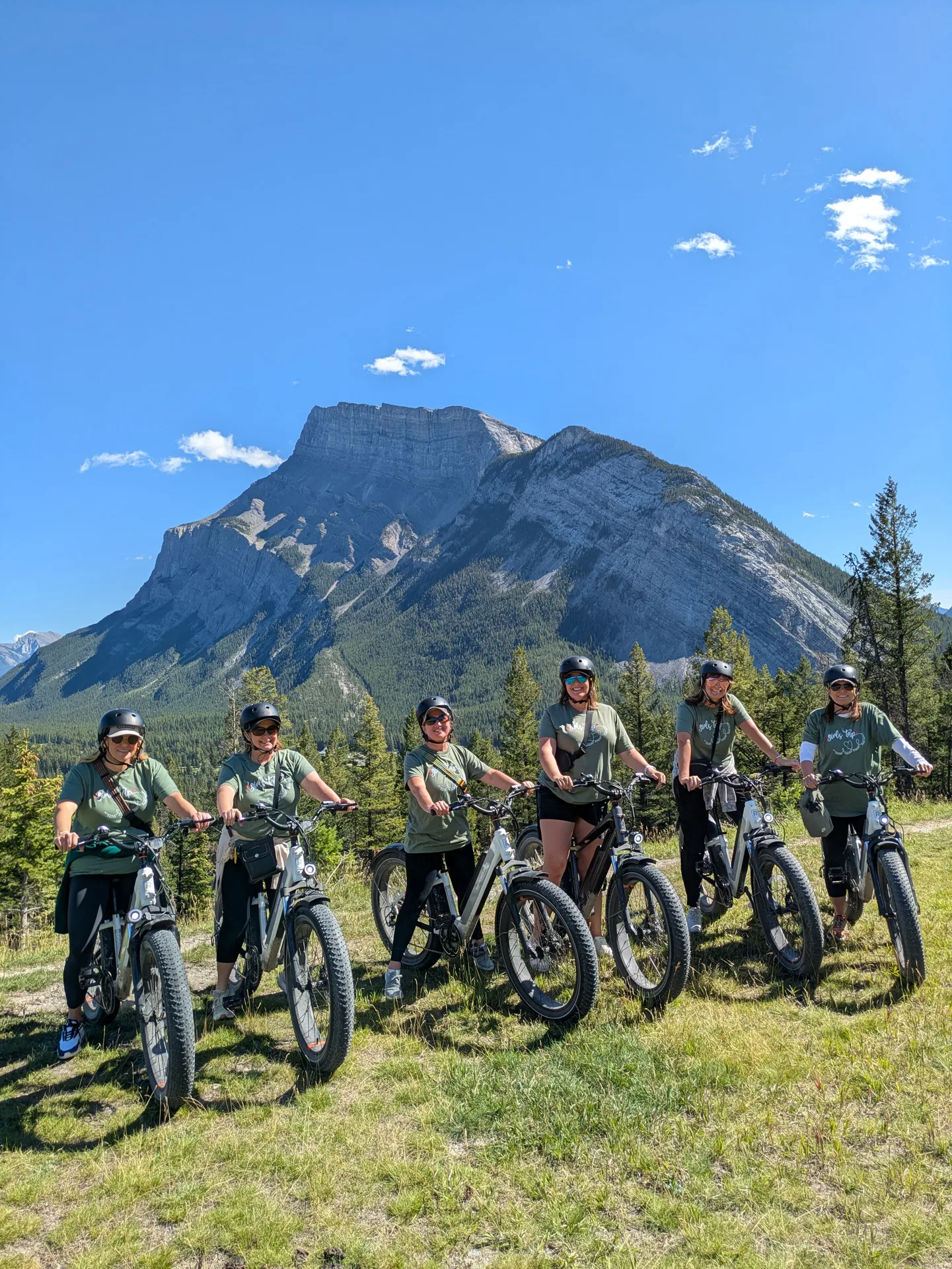
Radventures runs private group stand up paddleboard tours at Two Jack Lake, all levels welcome. We handle the boards, the permits and the paperwork, so the only decision you make is whether you’re getting in the water afterwards.
Local tip: afternoon winds pick up through the valley. Morning is calmer and quieter on the shoreline.
Where can you swim near Banff without the crowds?
Wedge Pond in Kananaskis Country is the quietest of the three. It’s roughly an hour from Banff down Highway 40, and the crowds are a fraction of what you’ll find inside the national park. Shallow, calm, ringed by the Kananaskis Range, with a short flat loop trail and a day-use area.
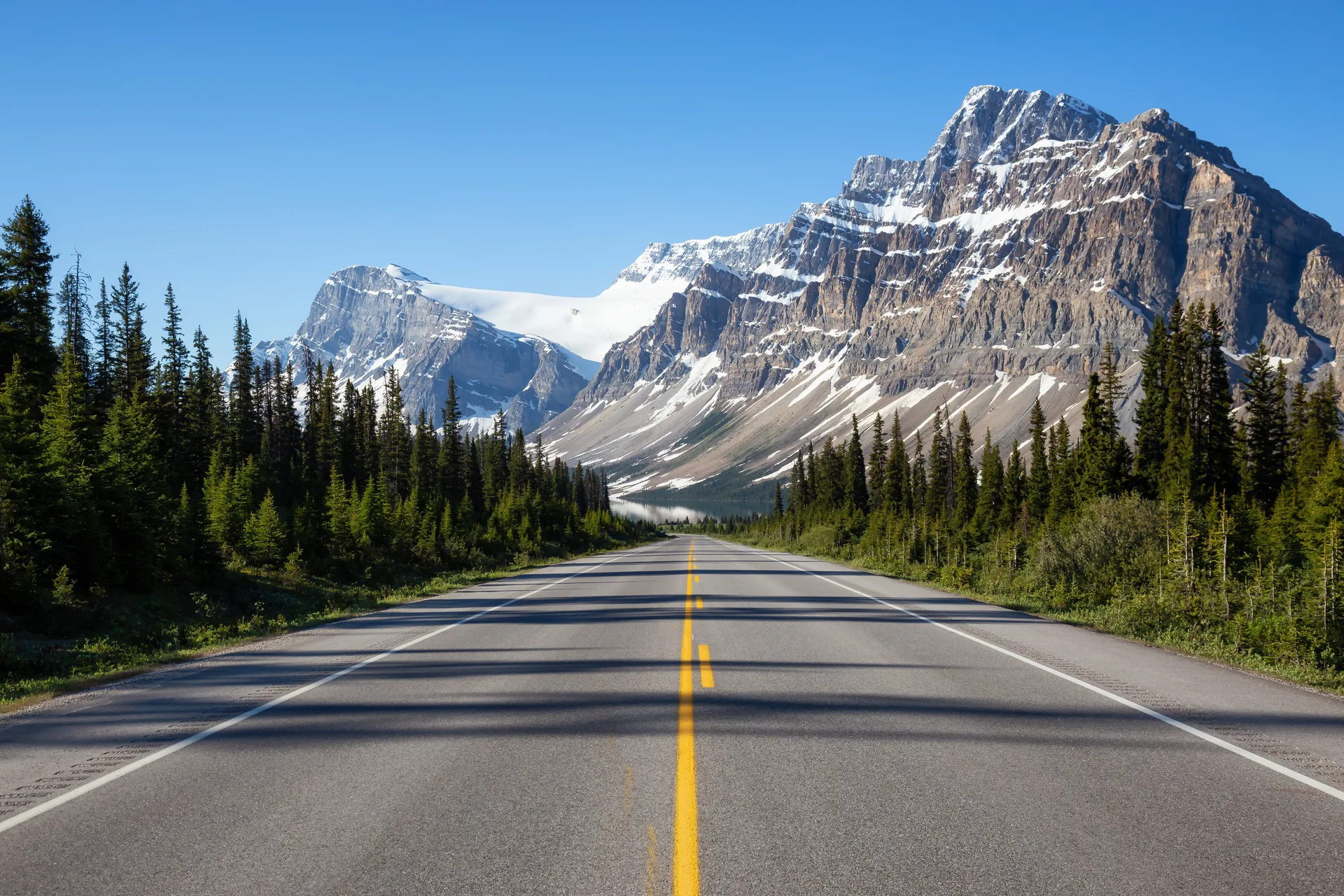
The drive itself is worth the trip. Highway 40 through Kananaskis is one of the better mountain roads in the province and gets a fraction of the traffic of the Icefields Parkway.
Two things to sort before you go:
- You need a Kananaskis Conservation Pass. Kananaskis Country is a provincial park system, so your Parks Canada pass doesn’t cover it. As of 2026 a day pass is $15 and an annual pass is $90, registered to your licence plate through Alberta Parks. The first Wednesday of each month is free.
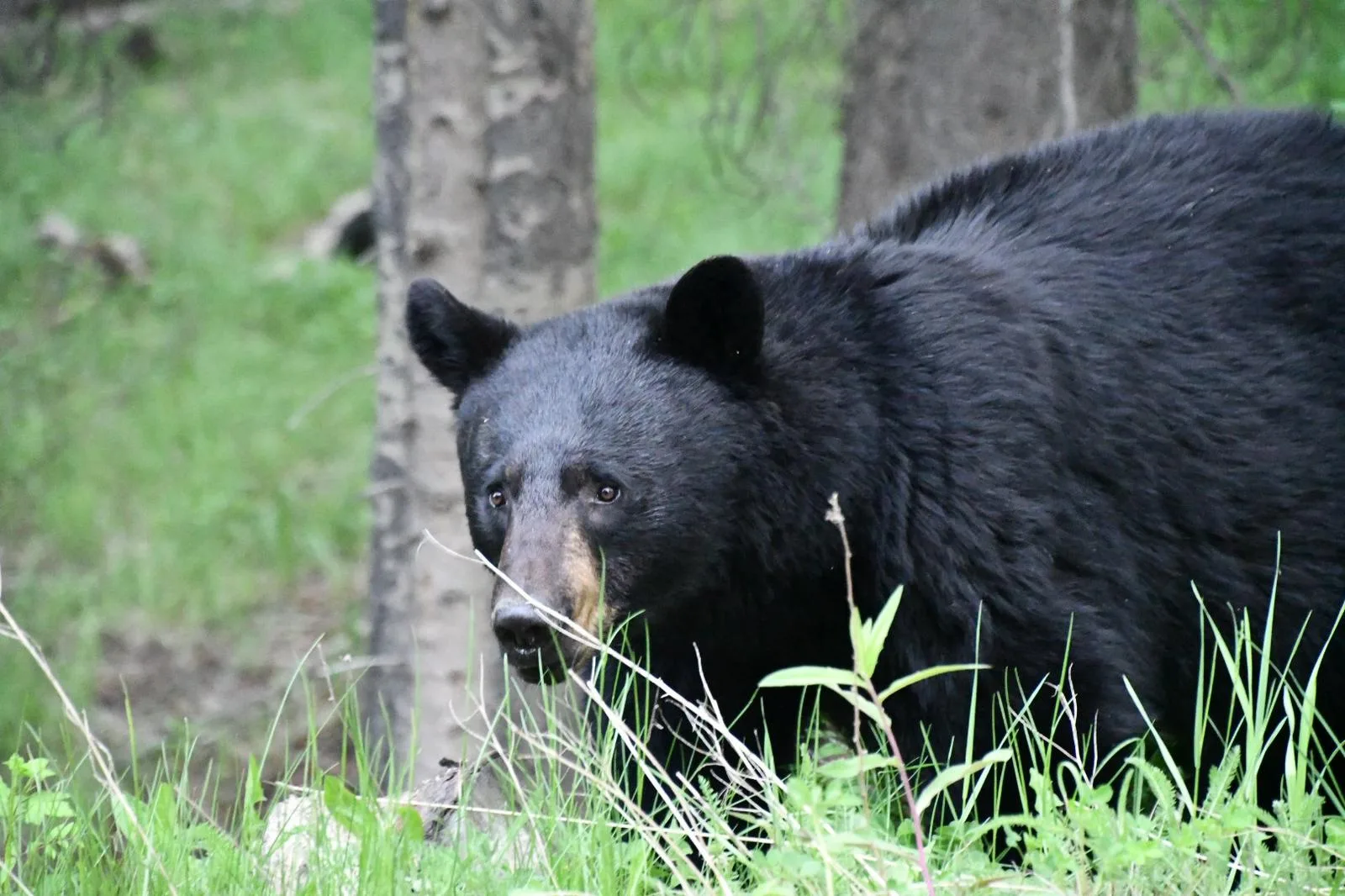
- Watch for bears on the roadside. Highway 40 runs through excellent bear habitat and roadside sightings are common through summer. Stay in your vehicle, don’t stop in traffic lanes, and carry bear spray on the trail.
Do you need a permit to swim or paddle in Banff National Park?
Swimming doesn’t require a permit. Paddling does.
Any non-motorized watercraft in Banff National Park, including canoes, kayaks, paddleboards and inflatables, needs a Clean, Drain, Dry self-certification permit from Parks Canada. Gear must be drained and dried for at least 48 hours if it was last used in Alberta, British Columbia or the territories, and 30 days if it was used anywhere else. Permits are free and available online, at visitor centres and at self-serve kiosks at the lakes.
This isn’t red tape for its own sake. Whirling disease was first confirmed in Canada at Johnson Lake in 2016 and has since been detected in Lake Louise. The parasite spreads on wet gear, and once it’s in a watershed it’s effectively permanent. Drying your paddleboard is the single most useful thing a visitor can do for these lakes.
What is cold water shock, and why is it dangerous in the Rockies?
Cold water shock is the body’s involuntary response to sudden immersion in cold water: a sharp gasp, rapid uncontrolled breathing, and a spike in heart rate. It happens in water below roughly 15 degrees Celsius, and it can incapacitate a strong swimmer within seconds.
This is the part that catches visitors off guard in the Rockies, every single day. Air temperature has nothing to do with it. On a 30-degree afternoon, a glacier-fed lake is still sitting at 6 degrees, and the gap between how the day feels and how the water feels is exactly what makes it dangerous.
A few things worth knowing:
- Enter slowly. Let your breathing settle before you commit.
- Wear a properly fitted life jacket when paddling, no matter how flat the lake looks.
- Don’t jump or dive into glacier-fed water, including Lake Louise and Moraine Lake.
- Stay close to shore. Cold water saps strength and coordination faster than you’d expect.
- Never swim alone in the backcountry.
When is the best time of year to swim in the Canadian Rockies?
Mid-July through late August. Shallow lakes like Johnson Lake and Wedge Pond need weeks of sustained heat to warm up, so June is usually still bracing and September cools off quickly. The last two weeks of July and the first three of August are the reliable window.
Early season and late season, the water is swimmable in the technical sense and enjoyable in almost no other sense.
Frequently asked questions
Is Johnson Lake warm enough to swim in? Yes. Johnson Lake is shallow and low-elevation, and by mid-July it’s the warmest easily accessible swimming lake in Banff National Park.
Can you swim in Moraine Lake? Moraine Lake is glacier-fed and sits close to freezing all summer. Swimming isn’t recommended, and paddling and large inflatables are banned there as of spring 2026.
Do you need a pass for Wedge Pond? Yes. Wedge Pond is in Kananaskis Country, which requires a Kananaskis Conservation Pass ($15 daily or $90 annually in 2026), separate from any Parks Canada pass.
Are there lifeguards at Banff’s lakes? No. There are no lifeguards at any lake in Banff National Park or Kananaskis Country. Swim within your ability and don’t swim alone.
Can you paddleboard in Banff National Park? Yes, at lakes in the Water Recreation Zone including Johnson Lake, Two Jack Lake, Lake Louise and the Vermilion Lakes, with a free self-certification permit and clean, drain, dry compliance. Paddling is prohibited at Moraine Lake, Bow Lake and Lake Minnewanka.
Get on the water with us
Our guides live here, swim here, and have opinions about which lake is worth the drive on any given day. If you’d rather have the permits, boards and logistics handled, our private group stand up paddleboard tours at Two Jack Lake run through the summer, all levels welcome.
[See our Two Jack Lake paddleboard tour]
Radventures Canada is a 1% for the Planet member, donating 1% of every booking, not profit, revenue, to conservation organizations across western Canada.